|
Important: this page is not about history but a view on a history.
4. JUDAH/JUDEA
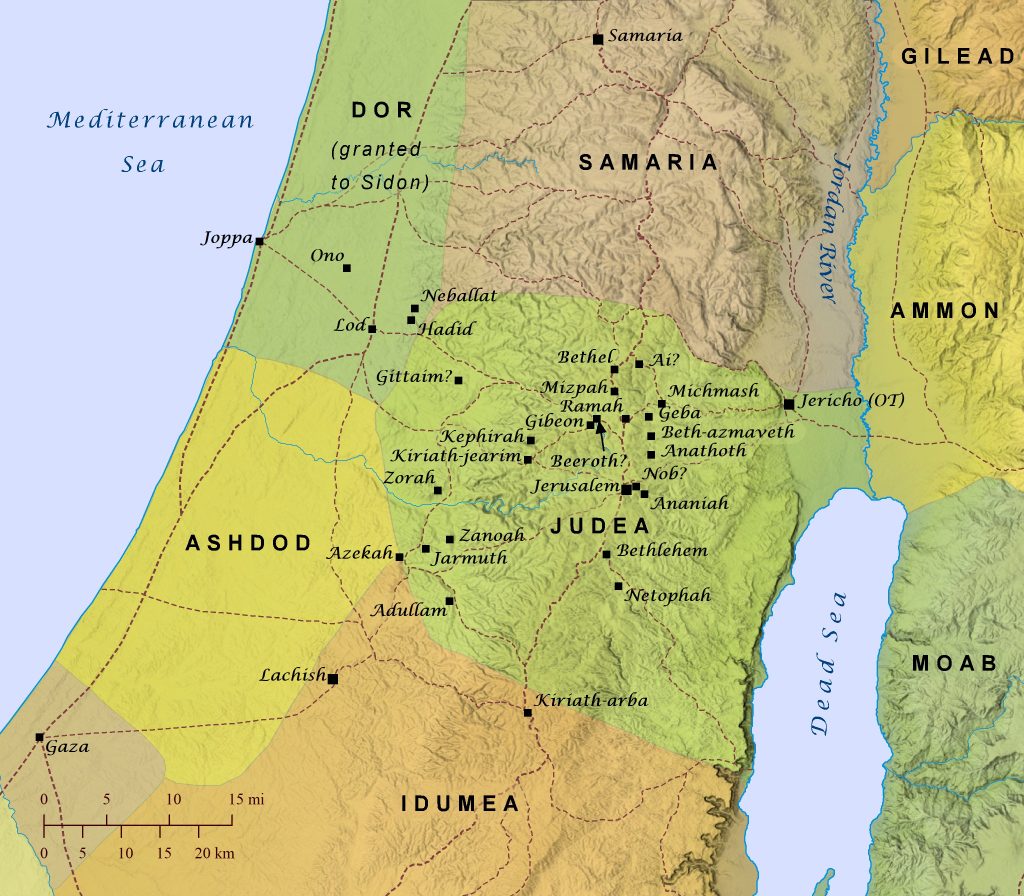
AFTER THE COLLAPSE OF THE UNITED MONARCHY Judah is one of the two successor states after the Kingdom of David fell apart in two. It is named for the tribe of Judah, and became a recognized entity with its own kings and identity centered around Jerusalem, surviving Babylonian conquest and later re-emerging as an independent kingdom under the Hasmoneans (Maccabees) before becoming a Roman province, with the name sticking to the region through various rulers, even after Roman renaming to Syria Palaestina. Judeans originated from ancient peoples in the region, the Canaanites, who emerged in the Levant (modern-day colonized historic Palestine) around the Iron Age, with roots traced back through biblical narratives to figures like Abraham from Mesopotamia (near the biblical Ur, now modern Urfa). They are an ethnoreligious people defined by shared ancestry, history, and the traditions of Judaism, evolving from the worship of Yahweh in the kingdoms of Israel and Judah, with the name "Judean" specifically referring to those from the southern Kingdom of Judah, centered in Jerusalem. The key distinction for Judeans emerged after the northern Kingdom of Israel fell, with Judah surviving, making "Yehudi" (Jew) the primary identifier for the people of the surviving kingdom and their descendants, especially post-Babylonian Exile, emphasizing their shared identity through the Kingdom of Judah and its religious practices The Judeans split from the north after King Solomon's death around 930 BCE, primarily due to heavy taxation, forced labor (corvée), and resentment over Solomon's favoritism towards Judah, all exacerbated by his son Rehoboam's harsh refusal to ease these burdens, leading the ten northern tribes to break away and form their own kingdom, leaving Judah and Benjamin in the south, according to the biblical narrative. This division created two distinct Hebrew kingdoms, each with its own rulers and eventual fates. Before the split into the kingdoms of David and Judah, the land was known as the united Kingdom of Israel, ruled by a single monarch, with the name "Judah" referring to the specific territory and tribe that would later form the southern kingdom after the split around 930 BCE, a name adapted by Greeks and Romans as Judea. ASSYRIAN ERA
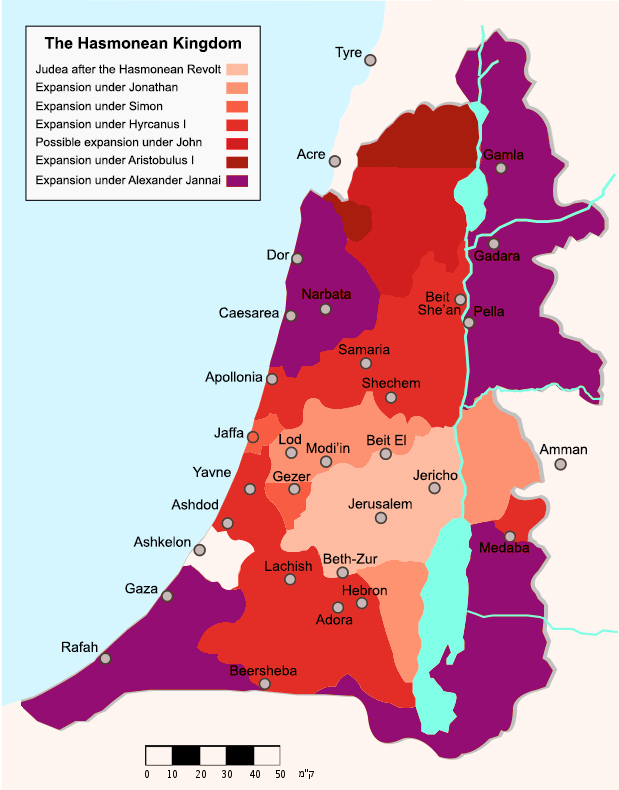
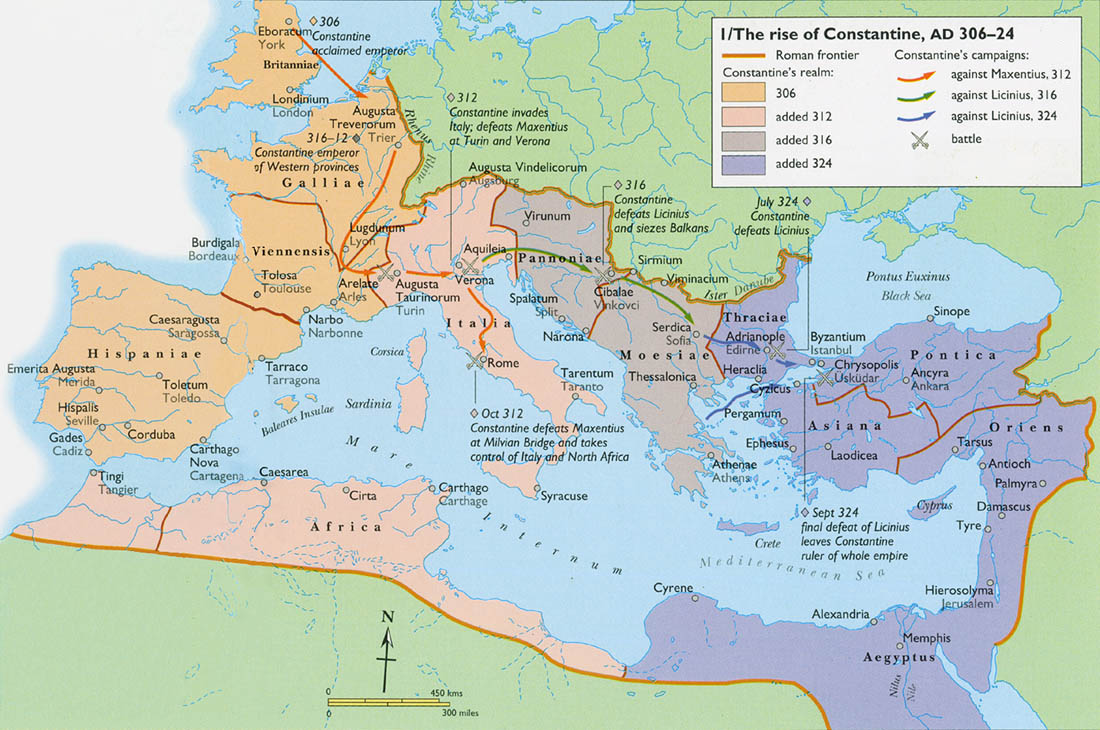
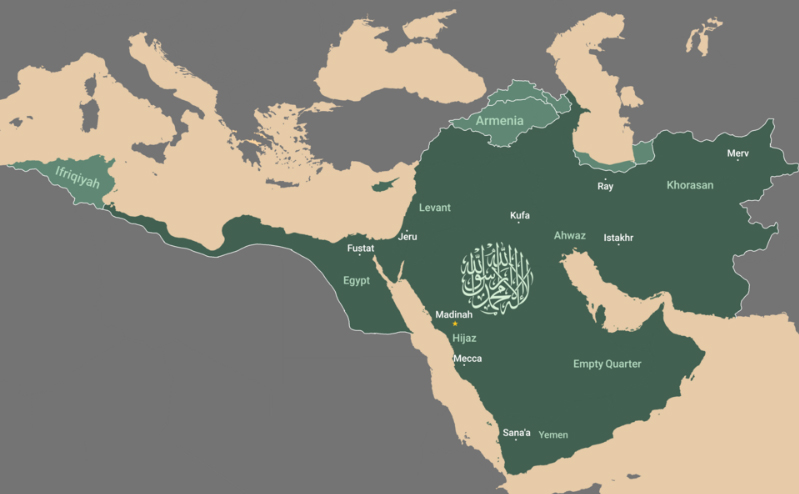
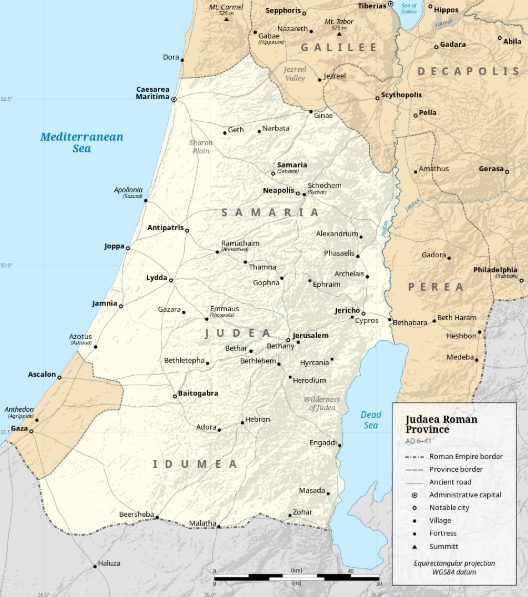
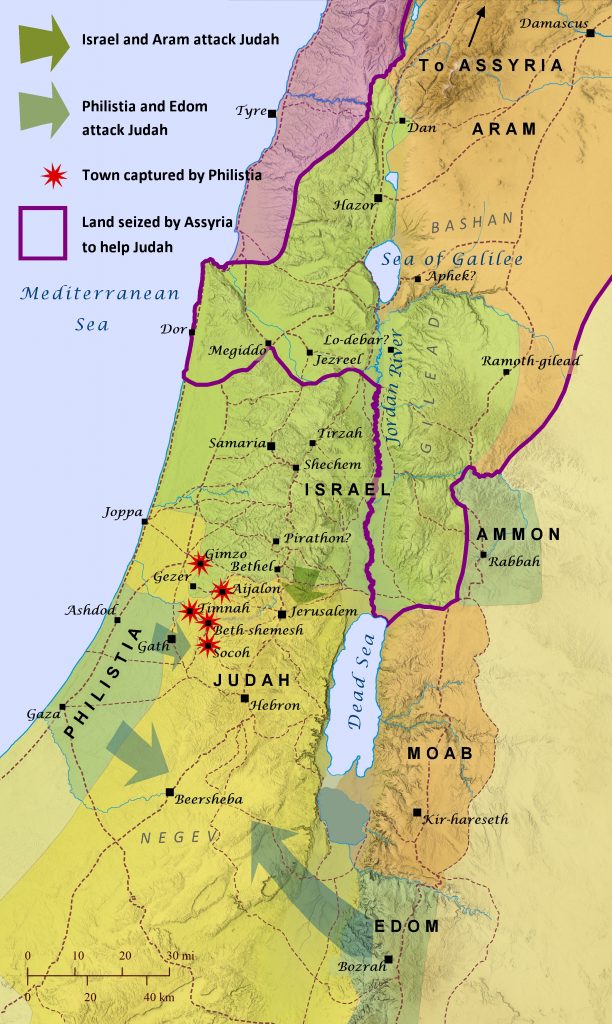
As an ancient Semitic people, they are from northern Mesopotamia (modern-day Iraq) who built a vast and powerful empire, one of the largest in the ancient world, dominating the Near East from the 14th to the 7th century BCE through formidable military strength and sophisticated governance. Known for their fierce armies, massive building projects like the city of Nineveh, and advancements in ironworking, they were a major force in history, often depicted in the Bible for their conquests of the northern and southern kingdoms , and are the ancestors of modern Assyrians, a Christian people in the Middle East. Under King Sennacherib, they invaded Judah in 701 BCE, and conquered many cities, imposing heavy tribute, and devastating the countryside, though they failed to take Jerusalem, leaving Judah as the last Israelite kingdom (see map on the right showing the final days of the northern kingdom) before the Babylonian conquest. This period saw massive deportations of Judeans, economic shifts under Assyrian influence, and intense military confrontations, particularly around Jerusalem, leaving lasting historical and religious legacies documented in biblical texts and Assyrian records. After the Assyrians conquered the Northern Kingdom around 722 BCE, the Kingdom of Judah survived but became a vassal state, eventually falling to the Neo-Babylonian Empire under Nebuchadnezzar II, who destroyed Jerusalem and exiled many Judeans in a series of invasions culminating in 586 BCE, ending the kingdom. BABYLONIAN ERA In 597 BCE, the Babylonians invaded Judah in a series of attacks led by King Nebuchadnezzar II, beginning with a siege that resulted in the first major deportation, and culminating in the final destruction of Jerusalem and the Temple in 587/586 BCE, marking the start of the Babylonian Captivity for the people of Juda. The Judeans were exiled to Babylonia in several waves, following the Neo-Babylonian Empire's military campaigns against the Kingdom of Judah. After the Babylonian exile, some Jews returned, establishing a Jewish community, and the land remained culturally linked to Judah. The Babylonians practiced a polytheistic religion, worshipping a large pantheon of gods and goddesses, heavily influenced by earlier Sumerian beliefs, with Marduk as their chief state god, elevated by leaders like Hammurabi to oversee creation and rule the heavens. Key deities included Ishtar (love, war, fertility) and lesser spirits like the Anunnaki, with a strong focus on temples, rituals, and myths like the Enuma Elish to explain the world and their place in it, connecting gods to natural forces and celestial bodies. THE FIRST MUSLIM ERA After the Babylonians conquered Judah (see map on the left) and exiled its people (around 586 BCE), the region came under the control of the Persian Empire, specifically King Cyrus the Great, who allowed the Jews to return home and rebuild their temple in 538 BCE, leading to the period of Persian rule before later conquests by the Greeks (Alexander the Great) and Hellenistic powers. The Persians were an ancient Indo-Iranian people who settled the Iranian Plateau, forming powerful empires, most notably the Achaemenid Empire (c. 550–330 BCE), which became the largest empire of its time, stretching across vast parts of Asia, Africa, and Europe. United by the Persian (Farsi) language, they are known for their significant cultural, artistic, scientific, and political contributions, with modern Persians being the majority ethnic group in Iran, practicing Shia Islam, and a related community (Parsis) in India following Zoroastrianism. HELLENISTIC ERA In 332 BCE, the conquest of the Achaemenid Empire took place. Judah was seized by Alexander the Great. This marked the beginning of the Hellenistic period in the region, during which the control of Judah (then the province of Yehud) passed between two successor Hellenistic kingdoms after Alexander's death:: Ptolemaic Kingdom (based in Egypt) ruled Judah for approximately a century, from around 301 to 198 BCE, and the Seleucid Empire (based in Mesopotamia and Syria) took control of Judah in 198 BCE after defeating the Ptolemies. Macedonians were an ancient Greek people from the kingdom of Macedonia, located in northern Greece, who practiced ancient Greek polytheism, honoring gods like Heracles, Helios, and the Muses, similar to other Greeks, but also had unique local cults. ROMAN ERA The Hasmoneans were a Jewish priestly family, descendants of the Maccabees, who led the Maccabean Revolt against Seleucid Greek rule, establishing an independent kingdom in Judea from around 140 to 37 BCE, ruling as High Priests and kings, and expanding their territory significantly before internal conflicts led to Roman intervention. They are famous for the Hanukkah story and for creating a powerful, independent Jewish state during the Hellenistic period, though their rule also saw controversial forced conversions and internal strife. The Romans, led by the general Pompey the Great, first intervened and took control of the region of Palestine by capturing Jerusalem in 63 BCE. This marked the end of the independent Hasmonean Kingdom and the beginning of Roman influence, which would last for centuries. Herod the Great (the Herodian dynasty) began ruling Judea in 37 BCE, appointed by the Romans, ending the last Hasmonean resistance led by Mattathias Antigonus and making Judea a Roman client kingdom. After Herod the Great's death in 4 BCE, his kingdom was divided, with his son Archelaus ruling Judea (including Jerusalem) as ethnarch until the Romans deposed him in 6 CE and made it a direct Roman province, ruled by prefects like Pontius Pilate; later, Herod's grandson, Agrippa I, briefly ruled as king before it reverted to Roman control again. After the Roman Empire's rule in the region ended, Judah (renamed the province of Syria Palaestina around 135 CE) came under the rule of the Byzantine Empire (the Eastern Roman Empire), which was centered in Constantinople. It's here where the modern-day hardcore Israelis keep sticking by the claim, that the West Bank belongs to them. However, time didn't stop there THE SECOND MUSLIM ERA Rashidun Caliphate (Arab Muslim rule) conquered the region in 634–636 CE, culminating in the Siege of Jerusalem in 637 CE. The Umayyad Caliphate followed the Rashidun Caliphate as the ruling power in Judea (part of the larger province of Syria). The second Caliph, Umar, accepted the city's surrender, ending permanent Byzantine control over the area. Under the Umayyads, Judea (known as the military district of Jund Filastin) received significant attention due to the religious importance of Jerusalem. Key Islamic architectural landmarks, the Dome of the Rock and the Al-Aqsa Mosque, were built on the Temple Mount by Caliph Abd al-Malik and his son al-Walid I. After the Umayyad Caliphate's rule over Judea (part of Syria/Palestine), which ended in 750 CE, the region came under the Abbasid Caliphate, followed by other Muslim powers like the Fatimid Caliphate, Ayyubids (Saladin), and Mamluks, before the Ottoman Empire took control in 1516, with periods of Crusader rule interspersed. Summary of successions:
With the exception of the Crusader rule, Judea was under Muslim ruling from 634 CE to 1916. The beginning of Judea under influence of Zionism emerged a year later.
|

 The Assyrians are indigenous Mesopotamians, descended from the Akkadians, Sumerians and Hurrians who developed independent civilisation in the city of Assur on the eastern border of northern Mesopotamia. The vast majority of them are Christians, being among the first people to adopt Christianity in the 1st century AD, forming distinct Syriac Christian denominations like the Assyrian Church of the East, Syriac Orthodox, and Chaldean Catholic churches, deeply integrating their ethnic identity with their Christian faith for millennia.